Understanding the Impact of Room Acoustics on Home Audio Installation
Discover how room acoustics impact home audio installation and enhance your listening experience with expert insights and customer reviews.
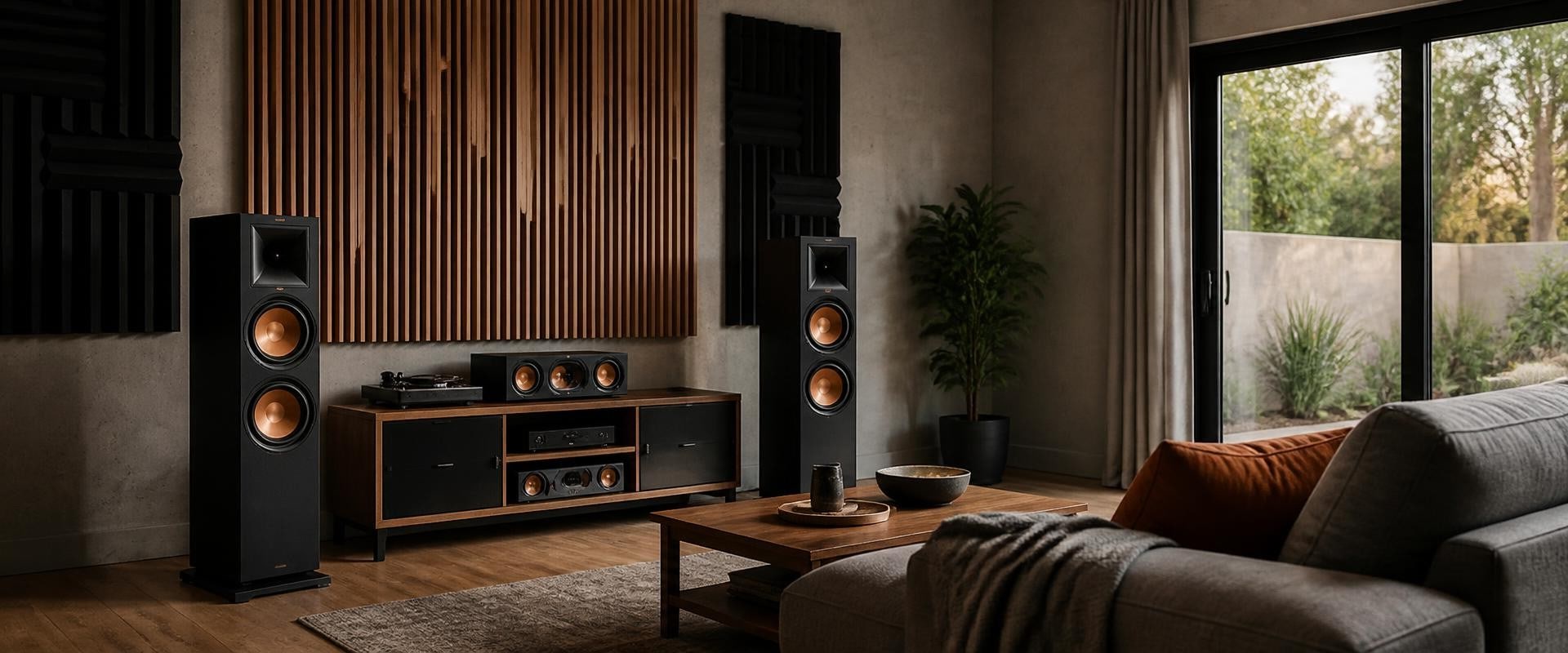
When it comes to home audio installation, one of the most critical yet often overlooked factors is room acoustics. The way sound interacts with the surfaces and dimensions of a room can significantly influence the overall audio experience. Whether you are setting up a dedicated home theater or simply enhancing your living room sound system, understanding the importance of room acoustics is essential for achieving optimal sound quality. Reviews from audio enthusiasts consistently highlight that even the most advanced audio equipment can underperform if the room's acoustics are not properly addressed. Factors such as wall materials, ceiling height, and furniture placement can create unwanted echoes or dead spots, leading to a less immersive listening experience.
For instance, hard surfaces like tile or glass can reflect sound waves, while soft furnishings can absorb them. This interplay can either enhance or detract from the clarity and richness of your audio. Moreover, many home audio installation reviews emphasize that investing time in acoustic treatment—such as adding rugs, curtains, or specialized acoustic panels—can yield significant improvements in sound quality. By tailoring your space to better suit your audio needs, you not only enhance your listening experience but also ensure that your investment in high-quality equipment is fully realized. Understanding how room acoustics impact sound will empower you to make informed decisions during your installation process, ultimately leading to a more satisfying auditory environment.
What Reviews Say About Room Acoustics
When it comes to home audio installation reviews, one recurring theme is the critical role of room acoustics.Many customers emphasize that the sound quality of their audio systems is heavily influenced by the characteristics of the room in which they are installed. This sentiment is echoed in numerous reviews, where users report that even high-end audio equipment can underperform if the room's acoustics are not properly addressed. Customer feedback often highlights specific aspects of room acoustics that impact their listening experience:
- Sound Reflection: Many users note that hard surfaces like tile or glass can create unwanted echoes, leading to a muddled sound. Reviews frequently recommend adding soft furnishings or acoustic panels to mitigate these effects.
- Room Size and Shape: Several reviewers mention that the dimensions and layout of their rooms significantly affect sound distribution. For instance, long, narrow rooms may create uneven sound fields, prompting users to seek expert advice on optimal speaker placement.
- Bass Response: A common point raised in expert opinions is the importance of bass management.
Customers often report that their systems sound much better after adjusting for bass traps or using subwoofers effectively, which can be crucial for achieving a balanced audio experience.
By understanding and addressing these factors, users can enhance their listening experience and fully appreciate the capabilities of their audio systems.
Key Factors Influencing Room Acoustics
When it comes to achieving optimal sound quality in home audio installations, understanding the key factors influencing room acoustics is essential. Several elements play a significant role in how sound behaves within a space, and recognizing these can lead to a more immersive listening experience.Room Shape and Size The dimensions and geometry of a room can greatly affect sound propagation. For instance, rectangular rooms often create standing waves, which can lead to uneven sound distribution. Conversely, irregularly shaped rooms may help diffuse sound waves, reducing echoes and enhancing clarity.The overall size of the room also matters; larger spaces may require more powerful audio equipment to fill the area effectively.Materials Used The materials that make up your room's surfaces—walls, floors, and ceilings—are crucial in determining how sound is absorbed or reflected. Hard surfaces like tile or concrete tend to reflect sound, which can create a harsh listening environment. In contrast, soft materials such as carpets, curtains, and upholstered furniture can absorb sound waves, minimizing echoes and improving overall acoustics.
- Sound Reflection: This occurs when sound waves bounce off surfaces. Rooms with many reflective surfaces may experience excessive reverberation.
- Absorption Materials: Incorporating acoustic panels or foam can significantly enhance sound quality by absorbing unwanted frequencies.
By carefully considering these factors, you can create an environment that not only enhances your listening experience but also showcases the full potential of your audio equipment.
Common Acoustic Problems in Home Installations
When it comes to home audio installations, reviews frequently highlight several common acoustic problems that can significantly impact sound quality. Understanding these issues is crucial for achieving the best audio experience in your space.- Room Size and Shape: One of the most frequently mentioned issues is the size and shape of the room. Larger rooms may lead to sound dispersion, while smaller rooms can create overwhelming bass frequencies. Irregularly shaped rooms often result in uneven sound distribution, making it essential to consider room dimensions during installation.
- Reflections and Echoes: Many reviews point out that reflections from hard surfaces such as walls, floors, and ceilings can create unwanted echoes.
This problem can muddle audio clarity, making dialogue difficult to understand in movies or music less enjoyable. Acoustic panels or soft furnishings can help mitigate these reflections.
- Bass Response: Another common complaint involves bass response. Inadequate bass can lead to a hollow sound, while excessive bass can overwhelm other frequencies. Reviewers often recommend using subwoofers strategically placed to enhance low-frequency performance without causing distortion.
- Speaker Placement: Proper speaker placement is crucial for optimal sound quality.
Many users report that incorrect positioning leads to phase issues and poor stereo imaging. Reviews suggest following guidelines for speaker height and distance from walls to achieve a balanced soundstage.
- Background Noise: External noise sources, such as traffic or appliances, can interfere with audio clarity. Reviewers often emphasize the importance of soundproofing measures, such as double-glazed windows or insulated doors, to minimize background noise during home audio installations.
Solutions for Improving Room Acoustics
Improving room acoustics is essential for achieving optimal sound quality in any home audio installation.Based on numerous home audio installation reviews, several effective solutions can enhance the acoustic environment of your space. One of the most recommended approaches is the use of acoustic panels. These panels are designed to absorb sound waves, reducing echo and reverberation. They come in various materials, including foam and fabric, and can be strategically placed on walls or ceilings to maximize their effectiveness. Reviews highlight that installing these panels can significantly improve clarity in music and dialogue. Another popular solution is the incorporation of bass traps.
These specialized acoustic treatments target low-frequency sounds that often cause muddiness in audio playback. By placing bass traps in corners where sound waves tend to accumulate, users report a noticeable improvement in overall sound balance. For those looking to minimize external noise, soundproofing techniques are crucial. This can involve adding mass to walls with materials like drywall or using soundproof curtains that block outside noise. Many reviews emphasize that investing in quality soundproofing can create a more immersive listening experience. Additionally, rearranging furniture can also play a role in enhancing room acoustics.
Soft furnishings like rugs and upholstered furniture can absorb sound, while hard surfaces may reflect it. Users have found that experimenting with different layouts can lead to surprising improvements in sound quality. In summary, improving room acoustics involves a combination of acoustic treatment solutions, strategic furniture placement, and soundproofing techniques. By implementing these recommendations based on user reviews, homeowners can create an audio environment that truly enhances their listening experience.
Case Studies: Successful Audio Installations with Optimal Acoustics
When it comes to home audio installations, the significance of room acoustics cannot be overstated. Numerous case studies highlight how prioritizing acoustics can transform an ordinary setup into an extraordinary auditory experience.Case Study 1: The Home Theater Transformation
A family in suburban Chicago decided to convert their basement into a dedicated home theater.
Initially, they faced challenges with echo and sound distortion due to the hard surfaces and open layout. By consulting with an acoustic specialist, they implemented sound-absorbing panels and strategically placed rugs. The result was a dramatic improvement in sound clarity, allowing them to enjoy movies as if they were in a commercial cinema.
Case Study 2: The Music Enthusiast's Paradise
A passionate musician in Austin, Texas, sought to create a listening room that would enhance his vinyl collection. After conducting a thorough analysis of the room's dimensions and materials, he installed bass traps and diffusers.
This meticulous attention to acoustic treatment not only enriched the sound quality but also provided a more immersive experience for guests during listening parties.
Case Study 3: The Multi-Purpose Living Space
A couple in San Francisco wanted a versatile living area that could serve as both a social space and a home audio setup. They opted for a combination of soft furnishings and acoustic panels that blended seamlessly with their decor. This thoughtful design choice minimized sound reflections while maintaining aesthetic appeal, proving that functionality and style can coexist.
These real-life examples illustrate that investing in room acoustics is essential for achieving optimal sound quality in home audio installations. By learning from these successful setups, homeowners can make informed decisions that enhance their listening experiences.
FAQs About Room Acoustics and Home Audio Installation
When it comes to home audio installation, understanding room acoustics is crucial for achieving optimal sound quality.Here are some frequently asked questions that can help clarify the importance of acoustics in your audio setup.
What are room acoustics?
Room acoustics refer to how sound behaves in a given space. This includes how sound waves reflect, absorb, and diffuse within the room. Factors such as room shape, size, and materials can significantly impact the overall audio experience.Why is room acoustics important for audio installation?
Proper room acoustics can enhance sound clarity and balance, making your listening experience more enjoyable. Poor acoustics can lead to issues like echo, muddiness, or uneven sound distribution, which can detract from the quality of your audio system.What are common acoustic treatment options?
- Acoustic panels: These are designed to absorb sound waves and reduce echo.
- Bass traps: These help manage low-frequency sounds that can cause muddiness.
- Diffusers: These scatter sound waves to create a more balanced sound field.
How do I know if my room needs acoustic treatment?
If you notice issues like excessive echo or uneven sound levels when playing music or watching movies, your room may benefit from acoustic treatment.Conducting a simple test by clapping your hands in the space can help identify echo problems.
Can I improve my room acoustics without professional help?
Yes! There are several DIY solutions you can implement, such as rearranging furniture, adding rugs or curtains, and using bookshelves as makeshift diffusers. However, for more significant improvements, consulting with an acoustic professional may be beneficial. Understanding these aspects of room acoustics will not only enhance your home audio installation but also ensure that you get the most out of your audio equipment.Conclusion: The Essential Role of Room Acoustics in Home Audio Installation
In conclusion, the significance of room acoustics in home audio installation cannot be overstated. Throughout this article, we have explored how the physical characteristics of a room can dramatically influence sound quality, affecting everything from clarity to bass response. As many reviews highlight, neglecting acoustics can lead to disappointing audio experiences, regardless of the quality of the equipment used. One of the key takeaways is that every room has its unique acoustic properties.Factors such as room dimensions, furniture placement, and even wall materials play a crucial role in shaping sound. For instance, hard surfaces can create echoes and reverberations that muddle audio clarity, while soft furnishings can help absorb sound and enhance overall listening quality.
- Room Treatment: Implementing acoustic treatments, such as panels or bass traps, can significantly improve sound quality.
- Speaker Placement: Properly positioning speakers in relation to walls and seating areas is essential for optimal sound distribution.
- Listening Position: The listener's position within the room should be carefully considered to achieve the best audio experience.
By prioritizing these elements, you can create an immersive sound environment that truly elevates your audio experience.