Understanding Home Audio Installation Reviews and Smart Home Compatibility
Explore how home audio installation reviews assess compatibility with smart home devices, enhancing your audio experience and integration.
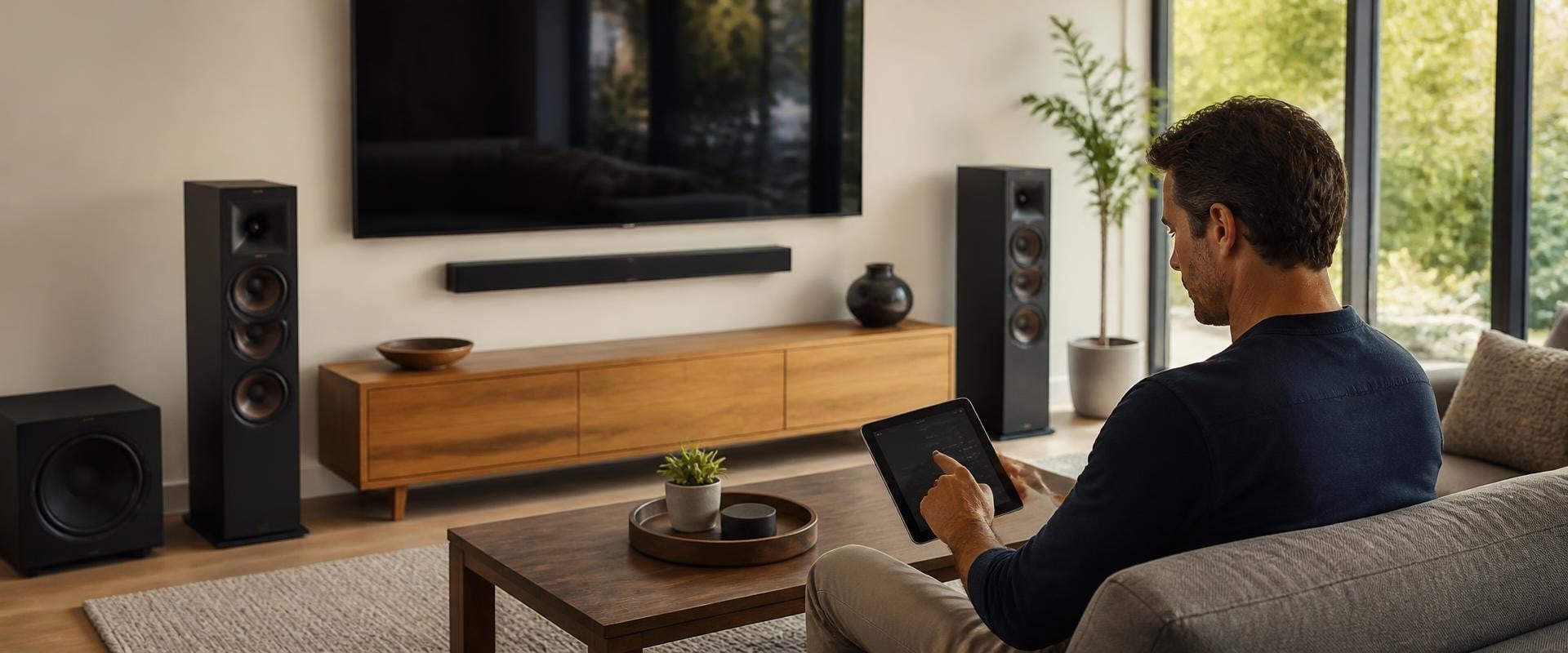
In today's rapidly evolving technological landscape, home audio installation reviews play a crucial role in guiding consumers through the myriad of options available for enhancing their listening experience. As more households integrate smart home devices, the compatibility of audio systems with these technologies has become a significant consideration for potential buyers. Understanding how various audio systems interact with smart home ecosystems can make or break the user experience, making these reviews an invaluable resource. When evaluating a home audio system, consumers are not just looking for sound quality; they are also interested in how well the system can integrate with existing smart devices. Reviews that address smart home compatibility provide insights into features such as voice control, app connectivity, and interoperability with other smart devices.
This information is essential for users who want a seamless experience, allowing them to control their audio systems alongside lighting, security, and other smart home functionalities. Moreover, comprehensive audio system reviews often highlight specific brands and models that excel in this area, offering detailed comparisons and user experiences. By focusing on compatibility with smart home devices, these reviews empower consumers to make informed decisions that align with their lifestyle and technological preferences. As we delve deeper into this topic, we will explore how various reviews tackle these critical aspects and what consumers should look for when selecting their ideal home audio installation.
The Importance of Compatibility in Home Audio Systems
As the trend towards smart homes continues to grow, the importance of compatibility in home audio systems cannot be overstated. Consumers are increasingly looking for audio solutions that not only deliver high-quality sound but also integrate seamlessly with their existing smart home devices.This integration allows for a more cohesive and user-friendly experience, enabling homeowners to control their audio systems through voice commands or mobile apps. When evaluating home audio installation reviews, potential buyers should pay close attention to how well different systems work with popular smart home platforms such as Amazon Alexa, Google Assistant, and Apple HomeKit. Compatibility with these platforms can significantly enhance the functionality of an audio system, allowing users to create customized soundscapes throughout their homes.
- Voice Control: Many modern audio systems offer voice control capabilities, making it easier for users to adjust volume, change tracks, or switch inputs without needing to physically interact with the device.
- Multi-Room Audio: Compatibility with smart home devices often enables multi-room audio setups, allowing users to play music in different areas of their home simultaneously.
- Automation: Integrating audio systems with smart home technology can facilitate automation, such as setting the audio to play at specific times or in response to certain triggers.
Key Features to Look for in Home Audio Installation Reviews
When evaluating home audio installation reviews, it’s crucial to focus on specific features that indicate how well the system integrates with smart home devices.Here are some key aspects to consider:
- Wireless Connectivity: Look for reviews that mention compatibility with Wi-Fi and Bluetooth technologies. Systems that support these connections can easily integrate with various smart home platforms, allowing for seamless streaming and control.
- Voice Control Compatibility: Many modern audio systems are designed to work with voice assistants like Amazon Alexa, Google Assistant, or Apple Siri. Reviews should highlight whether the audio installation supports these features, enabling users to control their audio experience hands-free.
- Multi-Room Audio Capability: A feature that enhances the smart home experience is the ability to play audio in multiple rooms. Reviews should discuss whether the system can be synchronized with other smart devices throughout the home, providing a cohesive audio experience.
- Integration with Smart Home Hubs: Check if the audio system can connect with popular smart home hubs such as Samsung SmartThings or Apple HomeKit.
This integration allows users to manage their audio settings alongside other smart devices from a single interface.
- App Control: Many audio systems come with dedicated mobile apps that allow users to control settings remotely. Reviews should detail the functionality of these apps, including features like playlist management, volume control, and device grouping.
How Reviews Evaluate Smart Home Compatibility
When it comes to home audio installation reviews, evaluating compatibility with smart home devices is crucial for consumers looking to integrate their audio systems into a broader smart ecosystem. Reviewers typically employ several methodologies to assess this compatibility, ensuring that potential buyers have a clear understanding of how well a system will function within their existing setup.Technical Specifications
- Connectivity Options: Reviews often begin by examining the connectivity options available on the audio system, such as Bluetooth, Wi-Fi, and Ethernet.
These specifications are essential for determining how easily the system can connect to smart home hubs and other devices.
- Supported Protocols: Many reviews delve into the specific protocols supported by the audio system, such as Apple HomeKit, Google Assistant, or Amazon Alexa. This information helps users understand which voice commands and automation features they can utilize.
- Integration Features: Reviewers frequently highlight features like multi-room audio capabilities and app control, which enhance the user experience by allowing seamless integration with other smart devices.
User Experiences
- Real-World Testing: Many reviews include firsthand accounts from users who have tested the audio systems in conjunction with various smart home devices. These testimonials provide valuable insights into how well the systems perform in practical scenarios.
- Ease of Setup: Reviewers often comment on the installation process and how intuitive it is to connect the audio system to existing smart home setups. A straightforward setup can significantly enhance user satisfaction.
- Performance Feedback: User feedback regarding sound quality and responsiveness when controlled via smart devices is also crucial.
Reviews that include this information help potential buyers gauge whether the audio system meets their expectations.
Common Smart Home Devices and Their Compatibility with Audio Systems
As smart home technology continues to evolve, understanding the compatibility between common smart devices and home audio systems becomes crucial for homeowners looking to enhance their audio experience. Below are some popular smart home devices and how they interact with various audio systems.Smart Speakers
Devices like the Amazon Echo and Google Nest Audio serve as both smart assistants and speakers. They can easily connect to most home audio systems via Bluetooth or Wi-Fi.However, compatibility issues may arise with older audio systems that lack these connectivity options. To resolve this, users can invest in a Bluetooth receiver or a Wi-Fi audio adapter, allowing seamless integration.
Smart TVs
Modern smart TVs often come equipped with advanced audio features. When integrating with a home audio system, users should check for HDMI ARC (Audio Return Channel) support, which simplifies the connection process. If the audio system does not support HDMI ARC, optical cables or traditional RCA connections can be used, although they may not provide the same level of convenience.Streaming Devices
- Roku: Compatible with most audio systems via HDMI or optical output.
- Apple TV: Works well with AirPlay-enabled speakers but may require additional setup for non-AirPlay systems.
- Chromecast: Allows streaming to any compatible speaker but may need a Chromecast Audio device for older systems.
Smart Home Hubs
Smart hubs, such as Samsung SmartThings or Hubitat, can control multiple devices, including audio systems.However, compatibility varies based on the protocols used (Zigbee, Z-Wave, etc.). Users should ensure their audio system can integrate with these protocols or consider using compatible smart plugs to control power to traditional speakers. In conclusion, while many smart home devices offer excellent compatibility with modern audio systems, challenges can arise with older equipment. By understanding these interactions and potential solutions, homeowners can create a cohesive and enjoyable audio experience throughout their smart homes.
Consumer Experiences: Insights from Home Audio Installation Reviews
Consumer experiences play a crucial role in understanding how home audio installation reviews address compatibility with smart home devices. Many users share their insights on various platforms, detailing both the successes and challenges they faced during installation. One common theme in these reviews is the ease of integration with existing smart home ecosystems.For instance, several users reported that systems compatible with Amazon Alexa or Google Assistant provided a seamless experience. They appreciated being able to control their audio systems through voice commands, which enhanced their overall user experience.
Challenges Faced
However, not all experiences were positive. Some consumers highlighted issues with compatibility, particularly when trying to connect older audio equipment with newer smart devices. These challenges often stemmed from outdated firmware or lack of support for certain protocols like Bluetooth or Wi-Fi.Users expressed frustration when they discovered that their newly purchased audio systems did not work well with their existing smart home setups.
User Feedback on Installation Services
Feedback on professional installation services also emerged as a significant topic. Many consumers noted that hiring professionals who understood the intricacies of smart home technology made a substantial difference. Reviews frequently mentioned that installers who were knowledgeable about both audio systems and smart home devices could troubleshoot potential compatibility issues before they became problematic.- Positive Experiences: Users praised installations that allowed for easy app integration and multi-room audio control.
- Negative Experiences: Complaints often centered around poor customer support when issues arose post-installation.
- Recommendations: Many reviewers suggested researching compatibility before purchasing new equipment to avoid future headaches.
FAQs About Home Audio Installation and Smart Home Compatibility
When considering a home audio installation, many homeowners have questions about how these systems integrate with their existing smart home devices.Below are some frequently asked questions that address common concerns and misconceptions.
1.Can I connect my home audio system to my smart home hub?
Yes, most modern home audio systems are designed to be compatible with popular smart home hubs like Amazon Alexa, Google Home, and Apple HomeKit. This allows you to control your audio system using voice commands or through a mobile app.2.What types of smart home devices can I integrate with my audio system?
- Smart speakers: Many audio installations can work alongside smart speakers for enhanced sound quality.
- Smart lighting: You can synchronize your audio system with smart lighting to create immersive environments.
- Smart TVs: Integrating your audio system with a smart TV can improve your overall entertainment experience.
3.Are there specific brands known for better compatibility?
While many brands offer compatibility, systems from companies like Sonos, Bose, and Yamaha are often highlighted in home audio installation reviews for their seamless integration with smart home devices. Always check the specifications and user reviews for compatibility details.4.What should I consider before installation?
- Network requirements: Ensure your Wi-Fi network is robust enough to support multiple devices.
- Placement: Consider the placement of both your audio equipment and smart devices for optimal performance.
- Future upgrades: Think about potential future additions to your smart home ecosystem when choosing an audio system.
Conclusion: The Future of Home Audio Installation Reviews in a Smart World
As we conclude our exploration of home audio installation reviews, it is evident that the integration of smart home technology is reshaping the landscape of audio systems. The compatibility of audio installations with smart devices is no longer a mere convenience; it has become a critical factor for consumers making purchasing decisions. Throughout this article, we have highlighted how reviews increasingly emphasize the importance of seamless integration with platforms such as Amazon Alexa, Google Assistant, and Apple HomeKit.These integrations not only enhance user experience but also allow for greater control and customization of audio environments.
- Consumer Expectations: Today's consumers expect their audio systems to work harmoniously with their existing smart home setups. Reviews that address this compatibility provide valuable insights into how well a product will fit into a user's lifestyle.
- Future-Proofing: As technology evolves, so do the standards for home audio systems. Reviews that consider future compatibility with emerging smart technologies will be more relevant and useful to consumers.
- Enhanced Functionality: Many modern audio systems offer features like voice control and app integration, which are essential for a fully connected home. Reviews that highlight these functionalities can guide users toward making informed choices.
This shift not only benefits consumers by providing them with the information they need but also encourages manufacturers to prioritize integration in their designs. The future of home audio installations lies in their ability to coexist and enhance the smart home ecosystem, making informed reviews more crucial than ever.