Identifying Red Flags in Home Audio Installation Reviews
Learn to identify red flags in home audio installation reviews to make informed decisions and avoid costly mistakes.
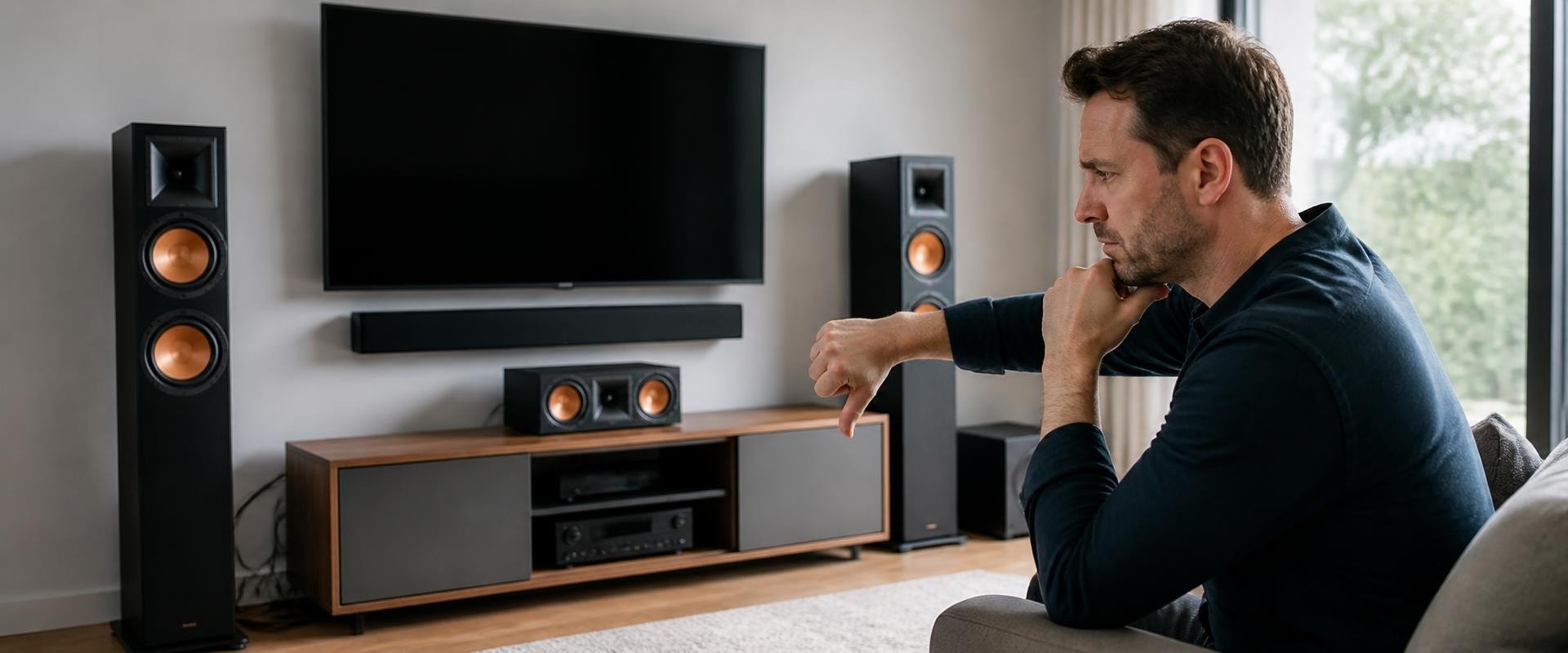
When considering a home audio installation review, it's essential to understand the nuances that can significantly impact your purchasing decision. These reviews serve as a vital resource for consumers, offering insights into the quality of service, equipment performance, and overall satisfaction from previous customers. In an age where audio technology is rapidly evolving, having access to reliable reviews can help you navigate the myriad of options available in the market. What should you look for in these reviews? First and foremost, pay attention to the details provided by reviewers regarding their installation experience. Are they discussing the professionalism of the installers? Do they mention the clarity of sound and ease of use of the system? Such specifics can indicate whether a service provider is worth your investment.
Additionally, consider the consistency of feedback across multiple reviews; a pattern of positive or negative comments can reveal underlying issues or strengths. The importance of these reviews cannot be overstated. They not only guide potential buyers in making informed decisions but also highlight potential red flags that could save you from costly mistakes. By understanding what constitutes a credible review and recognizing warning signs, you can ensure that your home audio installation meets your expectations and enhances your listening experience.
Common Red Flags in Home Audio Installation Reviews
When reading home audio installation reviews, it's crucial to be vigilant for certain red flags that may indicate unreliable or biased information. Here are some common warning signs to watch for:- Overly Positive Reviews: If a review seems excessively positive without mentioning any drawbacks, it may lack credibility.
Genuine reviews typically highlight both pros and cons.
- Lack of Specific Details: Reviews that are vague or lack specific details about the installation process, equipment used, or customer service experiences can be suspect. Look for reviews that provide concrete examples.
- Repetitive Language: If multiple reviews use similar phrases or wording, it could indicate that they are not authentic. This is often a sign of copy-pasting or incentivized reviews.
- No Verified Purchase Indicator: Reviews from users who have not verified their purchase may not reflect the true quality of the service. Always check if the review platform indicates whether the reviewer has actually used the service.
- Unbalanced Perspectives: A review that only presents one side of the story—either all negative or all positive—should raise a red flag.
Balanced reviews tend to provide a more accurate picture.
Analyzing Reviewer Credibility
When evaluating home audio installation reviews, understanding the credibility of the reviewer is crucial. Not all reviews are created equal, and distinguishing between expert and amateur opinions can significantly impact your decision-making process.Expert vs. Amateur Reviews
Expert reviewers typically have a background in audio technology or extensive experience in home audio installations. They often provide detailed analyses based on technical specifications, performance metrics, and real-world testing.Look for reviews from professionals who have a proven track record in the industry, such as certified installers or audio engineers. On the other hand, amateur reviewers may share personal experiences but lack the technical knowledge to provide a comprehensive evaluation. While their insights can be valuable, especially regarding user-friendliness and aesthetic appeal, they may not address critical aspects like sound quality or installation challenges.
Assessing Trustworthiness
To assess the trustworthiness of a reviewer, consider the following:- Background: Check if the reviewer has relevant qualifications or experience in home audio systems.
- Consistency: Look for patterns in their reviews. Do they consistently rate products similarly? This could indicate bias.
- Engagement: Reviewers who engage with their audience by answering questions or providing follow-up information tend to be more credible.
- Source Reputation: Consider where the review is published. Established platforms often have stricter guidelines for their contributors.
This approach not only saves you time but also helps ensure that your investment leads to an enhanced audio experience in your home.
Evaluating Review Content for Bias
When reading home audio installation reviews, it’s crucial to evaluate the content for potential bias. Bias can significantly skew the perception of a product or service, leading consumers to make uninformed decisions. Here are some key indicators to help you identify biased reviews:- Subjective Language: Reviews that rely heavily on emotional language or personal anecdotes may lack objectivity. Phrases like "I absolutely loved it" or "this was a nightmare" can signal that the reviewer is sharing personal feelings rather than factual information.
- Overly Positive or Negative Tones: If a review is excessively glowing or harsh without providing balanced insights, it may be biased.
Look for reviews that offer a mix of pros and cons, as these tend to be more credible.
- Lack of Specific Details: Reviews that fail to mention specific features, performance metrics, or installation experiences may be less trustworthy. A good review should provide concrete examples that support the reviewer’s opinions.
- Repetitive Themes: If multiple reviews echo the same phrases or sentiments, it could indicate a coordinated effort to promote or disparage a product. This is often seen in reviews that are incentivized or sponsored.
- Reviewer Credentials: Consider who is writing the review. A reviewer with extensive experience in audio installations may provide more reliable insights than someone with little background in the field.
This will empower you to make informed decisions based on objective evaluations rather than subjective opinions.
The Role of Review Aggregators and Platforms
In the digital age, review aggregators and platforms play a crucial role in shaping consumer perceptions about home audio installation services. These platforms compile reviews from various sources, providing potential customers with a centralized location to assess the quality and reliability of different service providers. However, not all review sites are created equal. Understanding the reliability of these platforms is essential for making informed decisions. Here are some factors to consider:- Source Credibility: Check if the aggregator is well-known and respected in the industry.
Established platforms often have stricter guidelines for posting reviews, which can enhance their credibility.
- Review Verification: Look for platforms that verify reviews through purchase confirmation or other means. This helps ensure that the feedback is genuine and not fabricated.
- Diversity of Reviews: A reliable platform should feature a wide range of reviews, including both positive and negative feedback. This balance can provide a more accurate picture of a service provider's performance.
- User Engagement: Platforms that allow users to respond to reviews or ask questions can indicate a more interactive and trustworthy environment.
Always cross-reference reviews across multiple platforms to get a comprehensive view. Ultimately, while review aggregators can be invaluable tools in your search for reliable home audio installation services, it’s essential to approach them with a critical eye. By understanding how these platforms operate and assessing their reliability, you can better navigate the landscape of consumer feedback and make informed choices.
Spotting Fake Reviews and Manipulated Ratings
When researching home audio installation reviews, it's crucial to be vigilant about the authenticity of the feedback you encounter. Fake reviews and manipulated ratings can significantly skew your perception of a service or product. Here are some key tactics to help you identify these deceptive practices:- Overly Positive Language: Be wary of reviews that use excessively positive language without any constructive criticism.
Genuine reviews often highlight both pros and cons.
- Generic Comments: Reviews that lack specific details about the installation process or the products used may be fabricated. Look for mentions of particular brands, models, or experiences.
- Timing Patterns: A sudden influx of positive reviews within a short timeframe can indicate manipulation. Check if multiple reviews were posted on the same day or week.
- Reviewer Profiles: Investigate the profiles of reviewers. If they have only one review or a pattern of reviewing similar services, they may not be credible.
- Inconsistent Ratings: If a business has a mix of extremely high and low ratings, it could suggest that some reviews are fake.
Look for consistency in feedback across various platforms.
Frequently Asked Questions About Home Audio Installation Reviews
When navigating home audio installation reviews, consumers often have questions that can help clarify their understanding and guide their purchasing decisions. Here are some frequently asked questions:What should I look for in a home audio installation review?
When reading a review, pay attention to the following aspects:- Installation Process: Look for details about how easy or complicated the installation was.
Reviews that mention specific challenges can provide insight into what you might expect.
- Sound Quality: Reviews should discuss the audio performance, including clarity, bass response, and overall sound experience.
- Customer Service: Consider feedback on the support provided by the installer or company, as this can be crucial if issues arise post-installation.
- Value for Money: Look for comments on whether the installation met expectations relative to its cost.
What does "calibration" mean in audio reviews?
Calibration refers to the process of adjusting the audio system to optimize sound quality based on the room's acoustics. A review that mentions calibration indicates that the installer took steps to ensure the system performs well in its specific environment.How can I tell if a review is genuine?
To determine if a review is authentic, consider these tips:- Diversity of Feedback: Genuine reviews often include both positive and negative aspects. Be wary of overly positive reviews that lack detail.
- User Profiles: Check if reviewers have a history of posting about various products. A profile with only one review may be less credible.
- Date of Review: Recent reviews are more relevant, especially in a fast-evolving industry like home audio.
Conclusion: Making Informed Decisions Based on Reviews
In conclusion, navigating the world of home audio installation reviews requires a discerning eye and a critical approach.As we have discussed, there are several key red flags to be aware of that can help you make informed decisions when selecting an audio installation service. Firstly, always consider the credibility of the reviewer. Reviews from verified customers or reputable sources carry more weight than anonymous or overly vague comments. Look for detailed accounts that provide insight into the installation process, customer service, and overall satisfaction. Secondly, be cautious of reviews that seem overly positive or negative without substantial evidence. A balanced review typically includes both pros and cons, which can give you a clearer picture of what to expect.
If a review lacks specifics or seems exaggerated, it may not be trustworthy. Additionally, pay attention to patterns in feedback. If multiple reviews mention similar issues—such as poor communication or installation delays—these are significant indicators that you should take seriously. Lastly, consider the overall volume of reviews. A service with a high number of reviews is often more reliable than one with only a few. This can indicate a consistent level of service over time. By keeping these points in mind, you can sift through home audio installation reviews more effectively and choose a provider that meets your needs and expectations.
Making informed decisions based on thorough research will ultimately lead to a more satisfying home audio experience.