Exploring DIY Home Audio Installation: Insights from Reviews
Discover what home audio installation reviews reveal about DIY options, costs, and customization for your audio setup.
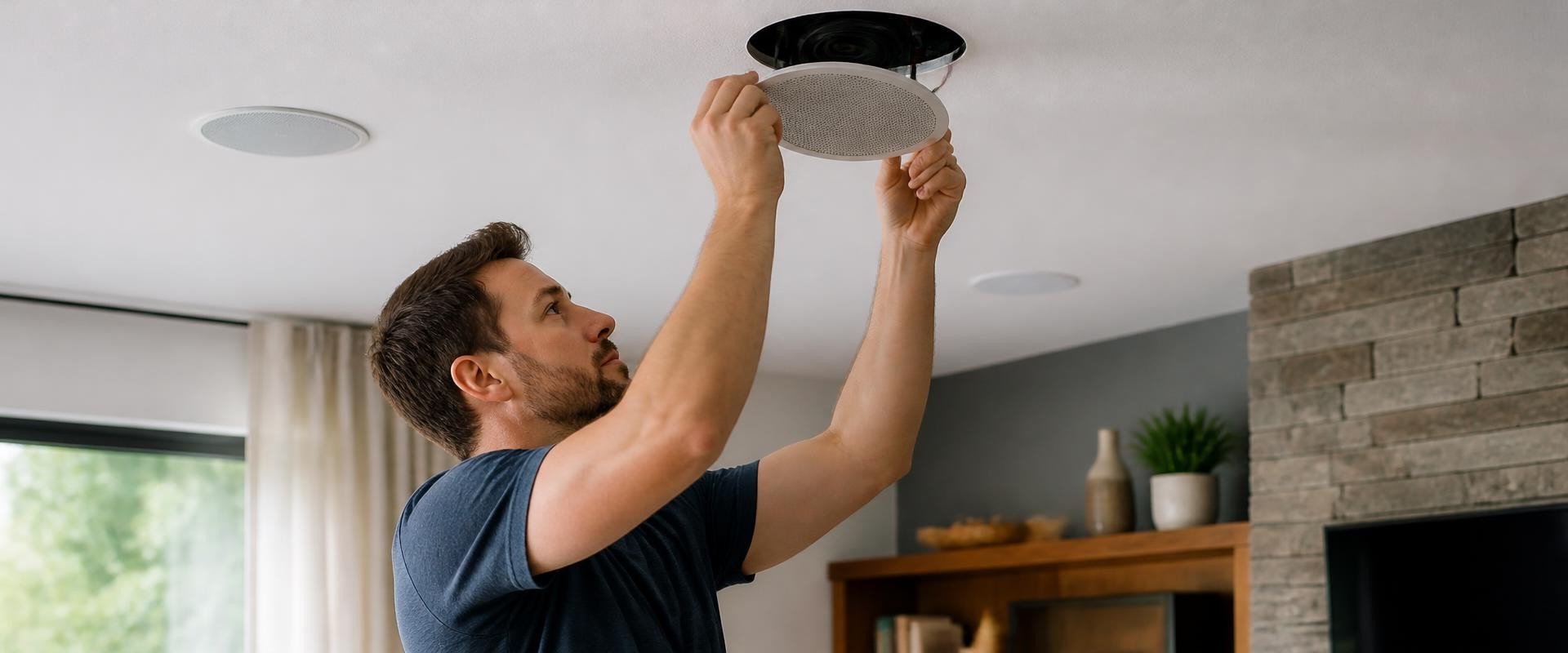
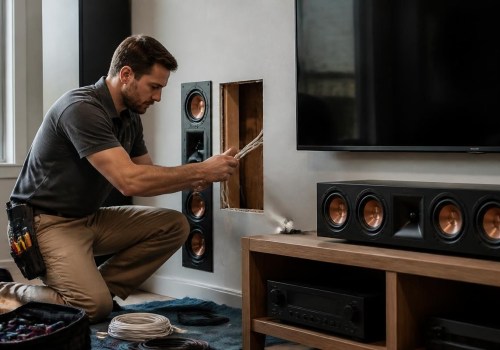
When it comes to enhancing your home entertainment experience, home audio installation reviews play a crucial role in guiding potential buyers through the myriad of options available. These reviews not only highlight the performance and quality of various audio systems but also delve into the practicality of DIY audio installation. As more homeowners seek to create a personalized audio environment, understanding the insights shared in these reviews can help demystify the installation process and inform decisions. Many users have shared their experiences with both professional installations and DIY setups, revealing a spectrum of outcomes. While some praise the convenience and expertise that come with hiring professionals, others advocate for the satisfaction and cost-effectiveness of tackling the installation themselves.
This dichotomy raises important questions about the viability of DIY options in home audio setups. Are they truly feasible for the average homeowner, or do they require a level of technical skill that could lead to frustration?As we explore various audio system reviews, we will uncover common themes and user feedback that can illuminate the path for those considering a DIY approach. From ease of installation to sound quality comparisons, these insights will provide a comprehensive overview of what to expect when embarking on your own home audio project. Ultimately, understanding these reviews will empower you to make informed choices that align with your audio aspirations.
The Rise of DIY Home Audio Systems
In recent years, the trend of DIY home audio systems has gained significant traction among consumers.With advancements in technology and a wealth of online resources, more individuals are choosing to take on the challenge of installing their own audio systems. This shift is not just about saving money; it reflects a growing desire for personalization and control over one’s audio experience. One of the primary benefits of DIY audio installation is the cost-effectiveness it offers. Professional installations can be expensive, often including hefty labor fees. By opting for a DIY approach, homeowners can allocate their budget towards higher-quality equipment rather than installation costs.
Additionally, many manufacturers now provide user-friendly guides and tutorials that simplify the installation process, making it accessible even for those with minimal technical skills. Another compelling reason for the rise in DIY installations is the ability to customize audio setups to fit personal preferences and specific room acoustics. Homeowners can experiment with speaker placements, wiring configurations, and component selections to create a sound environment that perfectly suits their tastes. This level of customization is often not possible with pre-packaged systems or professional installations. Moreover, the home audio trends indicate a shift towards smart home integration. Many DIY enthusiasts are incorporating smart speakers and wireless systems into their setups, allowing for seamless control through mobile devices or voice commands.
This trend not only enhances convenience but also aligns with the modern consumer's preference for technology that integrates effortlessly into their daily lives. In conclusion, the growing popularity of DIY home audio installations reflects a broader cultural shift towards self-sufficiency and personalization in home entertainment. As more consumers share their experiences through home audio installation reviews, it becomes clear that this trend is here to stay, empowering individuals to create tailored audio experiences that resonate with their unique lifestyles.
Key Factors in Home Audio Installation Reviews
When exploring home audio installation reviews, several key factors emerge that can significantly influence a consumer's decision-making process. Understanding these elements can help potential buyers prioritize their needs and expectations.Audio Quality Ratings
One of the most critical aspects reviewers focus on is audio quality. This encompasses clarity, bass response, and overall sound balance.Reviewers often conduct side-by-side comparisons with different setups to assess how well each system performs across various genres of music. Look for reviews that provide detailed descriptions of sound performance, as this can give you insight into what to expect from a particular installation.
Ease of Installation
Another factor frequently mentioned in reviews is the ease of installation. Many consumers are interested in DIY options, so reviewers often evaluate how straightforward the setup process is. Look for mentions of user-friendly manuals, online resources, or customer support that can assist during installation.Reviews that highlight the time required for setup and any challenges faced can be particularly valuable.
Compatibility and Features
Compatibility with existing devices and additional features also play a significant role in reviews. Reviewers typically assess how well a system integrates with smart home technology or other audio devices. Features such as wireless connectivity, multi-room capabilities, and app control are often highlighted. Pay attention to reviews that discuss these aspects, as they can greatly enhance your overall experience.Value for Money
Lastly, the value for money is a recurring theme in home audio installation reviews.Consumers want to know if they are getting a good deal for the quality and features offered. Reviews that compare similar products within the same price range can provide insights into which systems offer the best performance relative to their cost. By focusing on these key factors—audio quality ratings, ease of installation, compatibility and features, and value for money—you can make a more informed decision when considering different home audio installations.
Common DIY Home Audio Installation Options
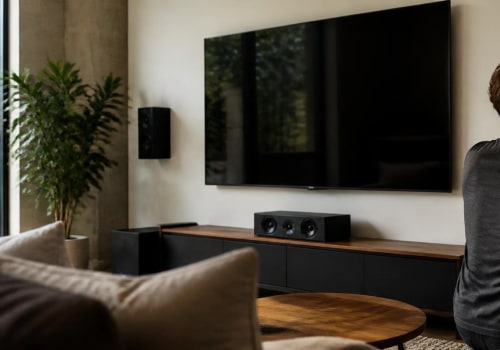
When considering DIY home audio installation, there are several options available that cater to different preferences and budgets. Understanding the types of systems and setups can help you make an informed decision.- Soundbars: These compact units are ideal for those looking for a simple solution. They can enhance your TV's audio without the need for multiple speakers.
Many soundbars come with built-in subwoofers and support for surround sound formats, making them a popular choice for casual listeners.
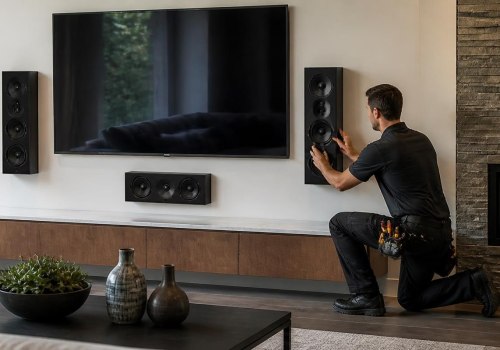
- Bookshelf Speakers: For audiophiles seeking better sound quality, bookshelf speakers offer a significant upgrade. They can be placed on shelves or stands and are often paired with an amplifier or receiver. This setup allows for greater customization in terms of sound quality and speaker placement.
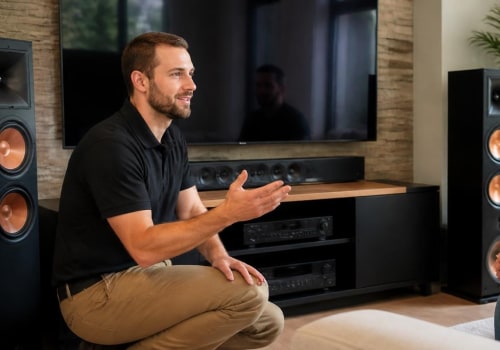
- Floorstanding Speakers: If you have the space and desire a more immersive audio experience, floorstanding speakers are an excellent option. These larger units deliver powerful sound and can fill a room with rich audio, making them suitable for home theaters.
- Wireless Systems: With advancements in technology, wireless audio systems have gained popularity.
Brands like Sonos and Bose offer systems that allow you to stream music from your devices without the hassle of wires. These systems often include multi-room capabilities, enabling you to enjoy music throughout your home.
- Multi-Room Audio Systems: For those who want to enjoy music in every corner of their home, multi-room audio systems are a great choice. These setups typically involve strategically placed speakers connected through a central hub, allowing you to control audio in different rooms from a single app.
Whether you're looking for simplicity or high-fidelity sound, there's a DIY solution that can meet your needs.
Pros and Cons of DIY Home Audio Installation
When considering a DIY home audio installation, it's essential to weigh the pros and cons based on insights from various home audio installation reviews. Understanding these factors can help you make an informed decision that aligns with your needs and capabilities.Advantages of Self-Installation
- Cost Savings: One of the most significant advantages of DIY installation is the potential for substantial cost savings. By avoiding professional labor fees, you can allocate your budget towards higher-quality equipment.
- Customization: DIY installations allow for greater flexibility in design and setup. You can tailor the system to fit your specific preferences and room layout, ensuring optimal sound quality.
- Satisfaction: Successfully completing a DIY project can provide a sense of accomplishment.
Many enthusiasts enjoy the challenge and take pride in their ability to create a personalized audio experience.
- Learning Experience: Engaging in a DIY installation can enhance your technical skills and knowledge about audio systems, which can be beneficial for future projects.
Disadvantages of DIY Audio Systems
- Time-Consuming: DIY installations often require significant time investment, from researching components to actual setup and troubleshooting. This can be daunting for those with busy schedules.
- Lack of Expertise: Without professional experience, you may encounter challenges that could lead to suboptimal sound quality or system performance. Mistakes in setup can be costly and frustrating.
- Limited Support: Unlike professional installations, DIY projects typically lack ongoing support. If issues arise post-installation, you may have to rely on online forums or manuals for assistance.
- Potential for Equipment Damage: Improper installation techniques can lead to damage to your audio equipment, resulting in additional costs for repairs or replacements.
Reviews highlight that success in this endeavor largely depends on your technical skills, available time, and willingness to learn. Weighing these pros and cons will help you determine if a DIY approach is right for your home audio needs.
Expert Opinions vs. User Experiences in Reviews
When it comes to home audio installation reviews, there is often a stark contrast between the insights provided by experts and the experiences shared by everyday users. Understanding this difference can help potential DIY enthusiasts make informed decisions about their audio setups.Expert Opinions on Home Audio
Experts in the field of audio installation typically emphasize the importance of proper equipment selection and installation techniques.They often recommend investing in quality components, such as speakers, receivers, and wiring, to achieve optimal sound quality. According to many expert reviews, a well-planned installation can significantly enhance the listening experience, making it crucial for users to follow best practices.
User Experiences in Reviews
On the other hand, user experiences shared in reviews often highlight the accessibility and satisfaction of DIY installations. Many users report that with the right resources—such as online tutorials and community forums—they were able to successfully set up their home audio systems without professional help. Common themes in user feedback include:- Cost Savings: Users frequently mention saving money by opting for DIY installations instead of hiring professionals.
- Satisfaction: Many find a sense of accomplishment in completing their own installations, which adds to their enjoyment of the system.
- Learning Experience: Users appreciate the opportunity to learn about audio technology and improve their technical skills.
Comparing Expert and User Reviews
The divergence between expert opinions and user experiences can lead to confusion for those considering a DIY approach.While experts may caution against potential pitfalls—such as improper wiring or inadequate speaker placement—users often counter these concerns with personal success stories. This comparison suggests that while expert guidance is invaluable, many users can achieve satisfactory results through careful planning and research. Ultimately, both perspectives are essential for anyone looking to navigate the world of home audio installations. By weighing expert advice against real-world experiences, potential DIYers can better assess whether they are equipped to tackle their own installations or if they should seek professional assistance.
Conclusion: Making an Informed Decision on Home Audio Installation
In conclusion, navigating the world of home audio installation requires careful consideration of various factors, particularly when weighing DIY options against professional installations. Reviews from users highlight a spectrum of experiences that can guide potential buyers in making informed decisions. One of the primary takeaways from home audio installation reviews is the importance of understanding your own needs and preferences.While some users find success with DIY installations, citing cost savings and the satisfaction of personal achievement, others emphasize the complexities involved in achieving optimal sound quality and system integration.
Key Considerations
- Skill Level: Assess your technical skills honestly. Many reviews suggest that while basic setups can be manageable, advanced configurations may require professional expertise.
- Budget: DIY installations can save money upfront, but consider potential hidden costs such as tools or equipment that may be necessary for a successful setup.
- Time Investment: Reviews often mention the time commitment involved in DIY projects. Ensure you have the time to dedicate to learning and executing your installation.
- Quality Expectations: If high-fidelity sound is a priority, professional installers often provide a level of expertise that can significantly enhance audio performance.