Exploring Wireless Home Audio Systems: Insights from Installation Reviews
Discover what home audio installation reviews reveal about wireless systems, their benefits, and key features for an enhanced listening experience.
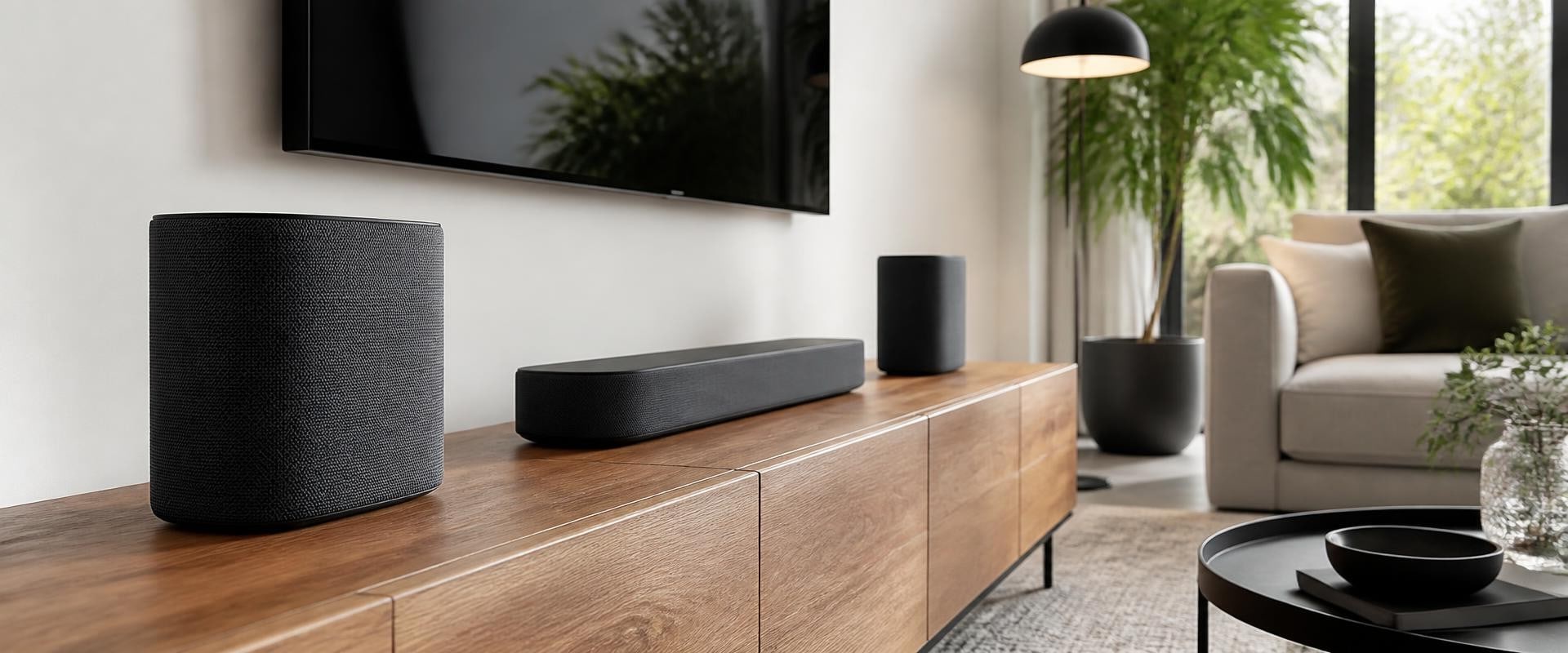
When it comes to enhancing your home entertainment experience, home audio installation reviews serve as invaluable resources for consumers. These reviews provide insights into various audio systems, helping potential buyers navigate the often overwhelming array of options available in the market. Among these options, wireless audio systems have gained significant popularity due to their convenience and flexibility. Understanding what these reviews say about wireless systems can greatly influence your purchasing decisions. Home audio installation reviews typically cover a range of factors, including sound quality, ease of setup, and compatibility with existing devices.
As technology evolves, many consumers are leaning towards wireless solutions that promise a clutter-free environment without sacrificing audio performance. Reviews often highlight how these systems can seamlessly integrate with smart home setups, allowing users to control their audio experience from their smartphones or voice-activated devices. Moreover, the importance of these reviews cannot be overstated; they not only reflect user experiences but also provide expert opinions that can guide you toward making informed choices. Whether you are a casual listener or an audiophile seeking the best sound quality, understanding the nuances presented in audio installation reviews will empower you to select a wireless system that meets your specific needs and preferences.
The Rise of Wireless Home Audio Systems
In recent years, wireless home audio systems have surged in popularity, transforming the way consumers experience sound in their homes. This shift can be attributed to several key factors, including advancements in technology, changing consumer preferences, and the increasing demand for convenience. One of the most significant benefits of wireless audio systems is their ease of installation and use.Unlike traditional wired systems that often require complex setups and professional installation, wireless systems can be easily configured by the average consumer. This accessibility has made them particularly appealing to those who may not have technical expertise or who prefer a hassle-free setup.
- Flexibility: Wireless systems allow users to place speakers anywhere in their home without worrying about cable management. This flexibility enables homeowners to create a customized audio experience that suits their space.
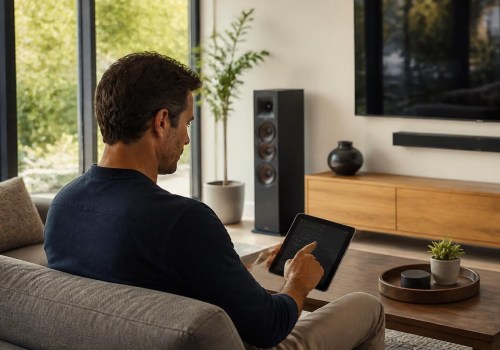
- Streaming Capabilities: Many wireless audio systems integrate seamlessly with popular streaming services, allowing users to access their favorite music with just a few taps on their smartphones or tablets.
- Multi-Room Audio: Wireless technology facilitates multi-room setups, enabling users to enjoy synchronized audio throughout their homes or different playlists in various rooms.
Additionally, manufacturers are continually enhancing their products with features like voice control and smart home integration, further appealing to tech-savvy consumers. As more consumers prioritize convenience and flexibility in their home entertainment setups, the demand for wireless home audio systems is expected to continue growing. Reviews from industry experts highlight that these systems not only meet modern lifestyle needs but also deliver impressive sound quality, making them a worthy investment for any audiophile.
Key Features of Wireless Home Audio Systems
When considering a wireless home audio system, several key features can significantly enhance your listening experience. Understanding these features can help you make an informed decision based on home audio installation reviews.Sound Quality
One of the most critical aspects of any audio system is its sound quality. Wireless systems have come a long way in delivering high-fidelity sound that rivals traditional wired setups.Look for systems that support high-resolution audio formats and have a wide frequency response range. Additionally, features like digital signal processing (DSP) can enhance sound clarity and provide a more immersive listening experience.
Connectivity Options
Another essential feature to consider is the connectivity options. A good wireless audio system should offer multiple ways to connect your devices, including:- Wi-Fi: Provides a stable connection with higher bandwidth for streaming high-quality audio.
- Bluetooth: Offers convenience for quick connections with smartphones and tablets, though it may compromise sound quality compared to Wi-Fi.
- Multi-room capability: Allows you to connect multiple speakers throughout your home, enabling synchronized playback or independent control in different rooms.
Ease of Use
The user experience is another vital factor. A wireless home audio system should be easy to set up and operate.Look for systems with intuitive mobile apps that allow you to control playback, adjust settings, and manage playlists seamlessly. Voice control compatibility with smart assistants like Amazon Alexa or Google Assistant can also enhance usability. In summary, when evaluating wireless home audio systems through installation reviews, prioritize sound quality, connectivity options, and ease of use. These features will ensure that you enjoy a superior audio experience tailored to your preferences.
Common Issues and Troubleshooting Tips for Wireless Audio Installations
Wireless audio installations have gained popularity for their convenience and flexibility, but they are not without their challenges. Many home audio installation reviews highlight common issues that users face, along with effective troubleshooting tips to enhance the listening experience.Common Issues with Wireless Installations
- Interference: One of the most frequently reported problems is interference from other wireless devices.
This can lead to dropouts or degraded sound quality.
- Connectivity Problems: Users often experience difficulties in maintaining a stable connection between their audio source and speakers, especially in larger homes or areas with thick walls.
- Audio Latency: Some systems may introduce a delay between the video and audio, which can be particularly frustrating when watching movies or playing games.
- Power Issues: Wireless speakers require power sources, and users sometimes encounter issues with battery life or power supply interruptions.
Troubleshooting Tips
To address these common issues, consider the following troubleshooting tips:- Reduce Interference: Keep your wireless audio system away from other electronic devices that may cause interference. Using a dual-band router can also help minimize disruptions.
- Optimize Placement: Position your speakers and audio source in a way that minimizes obstacles. Elevating devices and ensuring a clear line of sight can improve connectivity.
- Check for Updates: Regularly update your audio system’s firmware to benefit from improvements and fixes provided by the manufacturer.
- Adjust Audio Settings: If you experience latency, check your device settings for options to sync audio and video. Some systems offer low-latency modes specifically for this purpose.
Expert Recommendations for Choosing a Wireless Home Audio System
When it comes to selecting the right wireless home audio system, expert recommendations often emphasize several key factors that can significantly enhance your listening experience.Based on numerous home audio installation reviews, here are some essential considerations:
- Sound Quality: Prioritize systems that deliver clear, rich sound. Look for reviews that mention high-fidelity audio performance, as this is crucial for an immersive experience.
- Compatibility: Ensure the system is compatible with your existing devices. Many experts recommend systems that support various streaming services and formats, allowing for seamless integration.
- Ease of Installation: A straightforward setup process is vital. Reviews often highlight systems that come with user-friendly instructions and minimal wiring requirements, making them ideal for DIY enthusiasts.
- Range and Connectivity: Consider the wireless range of the system.
Experts suggest looking for systems that utilize advanced technologies like Wi-Fi or Bluetooth 5.0 for better connectivity and fewer dropouts.
- Multi-Room Capability: If you plan to expand your audio setup, choose a system that supports multi-room audio. This feature allows you to play music in different rooms simultaneously, enhancing your overall experience.
- Brand Reputation: Trustworthy brands often provide better customer support and product reliability. Look for systems from manufacturers with positive reviews and a solid track record in the audio industry.
Conclusion: The Future of Home Audio Installations
As we conclude our exploration of home audio installation reviews, it is evident that the landscape of audio systems is rapidly evolving, particularly with the rise of wireless systems.These reviews highlight several key trends and insights that are shaping the future of home audio installations. One of the most significant advantages noted in various reviews is the convenience offered by wireless systems. Users appreciate the ease of setup and the elimination of cumbersome wiring, which allows for a cleaner aesthetic in their living spaces. This trend aligns with a growing consumer preference for minimalism and functionality in home design.
Enhanced Connectivity and Integration
Another point frequently mentioned is the enhanced connectivity that wireless systems provide. Many modern systems seamlessly integrate with smart home devices, allowing users to control their audio experience through voice commands or mobile apps.This level of integration not only enhances user experience but also positions wireless systems as a central component of smart home ecosystems.
Quality vs. Convenience
However, reviews also caution potential buyers about the trade-offs between convenience and sound quality. While many wireless systems have made significant strides in audio fidelity, some audiophiles still prefer traditional wired setups for their superior sound performance. This dichotomy suggests that while wireless technology is advancing, there remains a niche market for high-end wired systems. Looking ahead, it is clear that wireless home audio installations will continue to gain traction as technology improves and consumer preferences shift.The ongoing development of high-resolution audio streaming and advancements in wireless protocols promise to further enhance sound quality, making these systems more appealing to a broader audience. In summary, the future of home audio installations appears bright, with wireless systems leading the charge. As consumers increasingly prioritize convenience and integration, it will be fascinating to see how manufacturers respond to these demands while also addressing concerns about sound quality.