Exploring Sound Quality in Home Audio Installation Reviews
Discover how home audio installation reviews assess sound quality, influencing your choices for an immersive audio experience.
When it comes to enhancing your home entertainment experience, home audio installation reviews play a crucial role in guiding consumers through the myriad of options available. These reviews not only provide insights into various audio systems but also delve deeply into the sound quality evaluation, which is often the deciding factor for many buyers. Understanding how sound quality is assessed in these reviews can significantly influence your purchasing decisions and ultimately enhance your listening experience. In the realm of audio system reviews, sound quality is typically evaluated based on several key criteria, including clarity, bass response, and overall balance. Reviewers often conduct rigorous testing, comparing different setups in various environments to determine how well each system performs under real-world conditions.
This thorough analysis helps potential buyers understand what to expect from their investment and whether a particular system will meet their specific audio needs. Moreover, the significance of sound quality in home audio installation reviews cannot be overstated. A system that excels in sound reproduction can transform an ordinary movie night or music session into an immersive experience. As such, these reviews serve as a valuable resource for consumers looking to make informed choices, ensuring they select an audio system that not only fits their budget but also delivers exceptional sound quality tailored to their preferences.
Key Factors Influencing Sound Quality in Home Audio Systems
When it comes to home audio installation reviews, understanding the key factors that influence sound quality is essential for achieving an immersive listening experience. Several elements play a crucial role in determining how well your audio system performs.Audio System Components
The components of your audio system significantly affect sound quality.Key elements include:
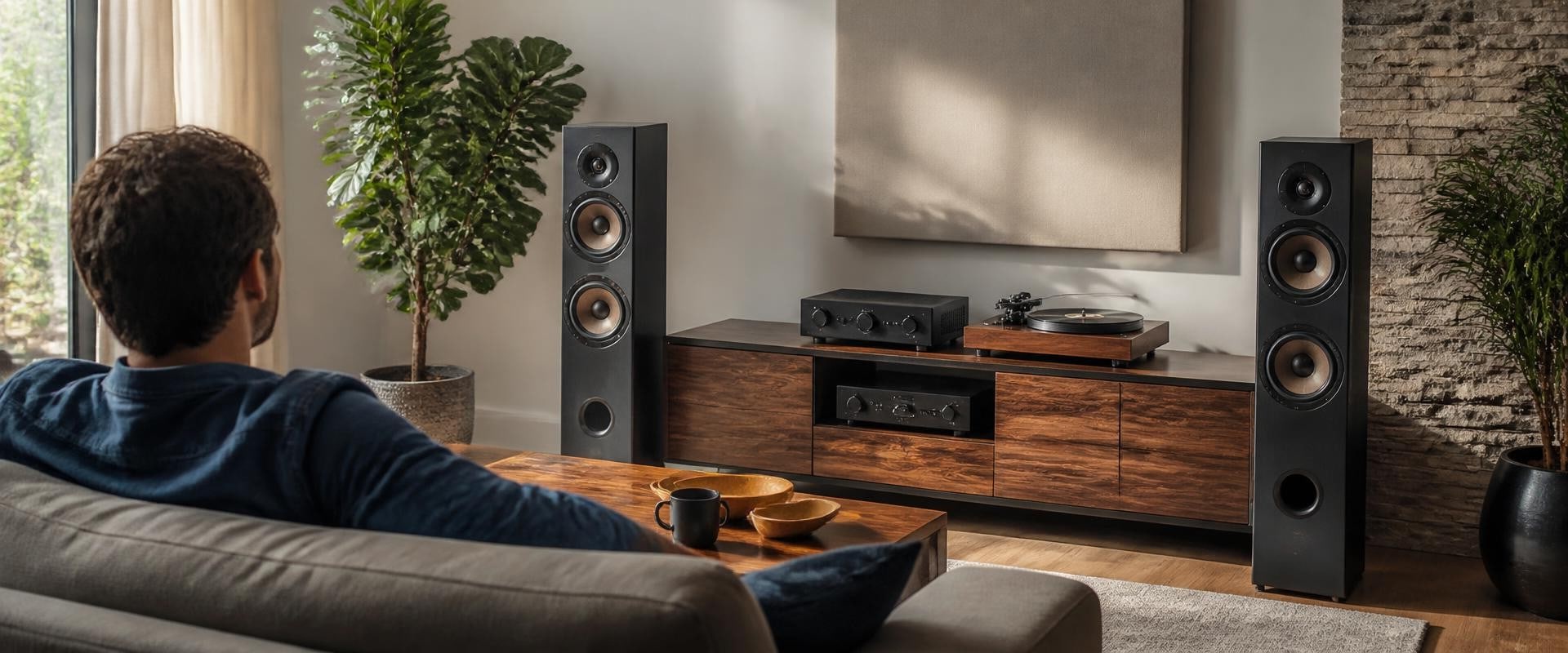
- Speakers: The type and quality of speakers can make or break your audio experience. High-fidelity speakers are designed to reproduce sound accurately, while subwoofers enhance bass response.
- Amplifiers: A good amplifier ensures that your speakers receive adequate power without distortion, which is vital for maintaining sound clarity.
- Source Devices: The quality of the source material (like vinyl records, CDs, or streaming services) also impacts overall sound quality. Higher bitrate files generally provide better audio fidelity.
Room Acoustics
The physical characteristics of the room where the audio system is installed can greatly influence sound quality. Factors to consider include:- Room Size: Larger rooms may require more powerful speakers or additional subwoofers to fill the space with sound.
- Surface Materials: Hard surfaces like tile or glass can create echoes, while soft furnishings can absorb sound and reduce reverberation.
Speaker Placement
Proper speaker placement is another critical factor in achieving optimal sound quality.Here are some tips:
- Distance from Walls: Speakers should be positioned away from walls to minimize reflections that can muddy the sound.
- Listening Position: The ideal listening position should form an equilateral triangle with the speakers for balanced sound distribution.
How Reviews Evaluate Sound Quality
When it comes to home audio installation reviews, sound quality is often the most scrutinized aspect. Reviewers typically employ a combination of subjective impressions and objective measurements to provide a comprehensive evaluation of audio systems.Subjective Impressions
- Reviewers often begin by listening to various types of music across different genres to assess how well the system reproduces sound. This includes evaluating clarity, bass response, and overall balance.
- Personal preferences play a significant role in these assessments, as different listeners may prioritize certain aspects of sound quality over others.
- Comments on the emotional impact of the audio experience are also common, as reviewers describe how the system makes them feel during playback.
Objective Measurements
- In addition to subjective evaluations, many reviews incorporate technical measurements such as frequency response, total harmonic distortion (THD), and sound pressure levels (SPL).
- These metrics provide a more quantifiable assessment of sound quality, allowing potential buyers to compare systems based on hard data.
- Some reviewers utilize specialized equipment to measure these parameters, ensuring that their findings are reliable and consistent.
While personal taste is important, understanding the technical specifications can help consumers make informed decisions. A well-rounded review will highlight both aspects, giving readers a clearer picture of what to expect from their home audio installation.
Common Terminology Used in Sound Quality Reviews
Understanding the terminology used in home audio installation reviews is crucial for interpreting sound quality assessments accurately. Here are some common terms you might encounter:- Frequency Response: This refers to the range of frequencies that a speaker or audio system can reproduce. It is typically measured in Hertz (Hz) and is crucial for determining how well the system can handle different sounds, from deep bass to high treble.
- Dynamic Range: This term describes the difference between the quietest and loudest sounds a system can produce without distortion.
A wider dynamic range allows for more nuanced sound reproduction.
- Total Harmonic Distortion (THD): THD measures the distortion introduced by an audio system when it reproduces sound. Lower THD percentages indicate cleaner sound reproduction, which is often a key point in reviews.
- Sensitivity: This indicates how efficiently a speaker converts power into sound. Higher sensitivity ratings mean that less power is needed to achieve a certain volume level, which can be particularly important for home audio setups.
- Impedance: Measured in ohms, impedance affects how much electrical resistance a speaker presents to an amplifier. Understanding impedance is essential for ensuring compatibility between components in your audio system.
- Soundstage: This term describes the perceived spatial characteristics of sound.
A good soundstage allows listeners to identify the location of instruments and vocals within a three-dimensional space, enhancing the listening experience.
Comparative Analysis of Popular Home Audio Systems
When evaluating home audio installation reviews, sound quality is often the most critical factor that consumers consider. A comparative analysis of popular home audio systems reveals distinct differences in performance, which can significantly influence purchasing decisions.Top Contenders in Sound Quality
- Sonos Arc: Known for its immersive soundstage, the Sonos Arc excels in delivering clear dialogue and rich bass. Reviewers frequently highlight its ability to adapt to room acoustics, making it a top choice for home theater enthusiasts.
- Bose Soundbar 700: This system is praised for its balanced sound profile and sleek design. Users often note that the Bose Soundbar 700 provides an impressive surround sound experience, particularly when paired with additional speakers.
- Yamaha YAS-209: With built-in Alexa and a robust subwoofer, the Yamaha YAS-209 garners attention for its deep bass and crisp highs.
Reviews indicate that it offers excellent value for those seeking quality sound without breaking the bank.
Sound Quality Comparisons
In comparing these systems, several factors emerge:- Frequency Response: Systems like the Sonos Arc often have a wider frequency range, allowing for more nuanced sound reproduction.
- Dynamic Range: The ability to handle loud and soft sounds effectively is crucial. The Bose Soundbar 700 is frequently noted for its impressive dynamic range, making it suitable for various audio content.
- Connectivity Options: Many reviews emphasize the importance of connectivity. Systems that offer multiple input options, such as HDMI ARC and Bluetooth, tend to receive higher ratings for versatility.
User Experiences: Real-Life Feedback on Sound Quality
When it comes to home audio installation reviews, user experiences often provide invaluable insights into sound quality.Many customers share their personal journeys, detailing how their new audio systems transformed their listening environments. One common theme in these reviews is the clarity and depth of sound. For instance, a user from a popular audio forum noted, "After installing my new surround sound system, I was blown away by the crispness of the dialogue in movies. It felt like I was in the middle of the action!" This sentiment is echoed by numerous reviewers who emphasize how high-quality installations can enhance both music and movie experiences. Another aspect frequently highlighted is the bass response. A customer review on a leading electronics site stated, "The bass from my new subwoofer is deep and powerful without being overwhelming.
It adds a whole new dimension to my music collection." Such feedback underscores the importance of proper installation and calibration in achieving optimal sound quality.
- Real-Life Experiences: Many users report that professional installation significantly improves sound quality compared to DIY setups. One reviewer mentioned, "I thought I could handle it myself, but hiring a pro made all the difference. The sound is perfectly balanced now!"
- Customer Feedback: Users often discuss how different audio systems perform in various environments. A reviewer shared, "In my open-concept living room, the sound fills the space beautifully without any distortion." This highlights how room acoustics play a crucial role in overall audio performance.
- Comparative Reviews: Some users compare their previous systems with new installations, stating things like, "Switching from brand X to brand Y was night and day.
The clarity and richness of sound are unmatched!"
FAQs About Sound Quality in Home Audio Installation Reviews
When it comes to home audio installation reviews, sound quality is often a primary concern for potential buyers. Here are some frequently asked questions that can help clarify common concerns regarding audio performance.What factors influence sound quality in home audio systems?
Several elements contribute to the overall sound quality of a home audio system, including:- Speaker quality: The materials and design of speakers significantly affect sound clarity and depth.
- Room acoustics: The size and shape of the room, along with furnishings, can enhance or diminish sound quality.
- Amplification: A good amplifier can improve sound fidelity by providing clean power to the speakers.
- Cabling: High-quality cables can reduce signal loss and interference, leading to better audio performance.
How do reviewers assess sound quality?
Reviewers typically evaluate sound quality based on several criteria:- Clarity: The ability to distinguish individual instruments and vocals without muddiness.
- Balance: A well-balanced system should deliver bass, midrange, and treble frequencies evenly.
- Dynamics: The range between the quietest and loudest sounds is crucial for an immersive listening experience.
- Soundstage: This refers to the perceived width and depth of the audio field, allowing listeners to feel as if they are in the middle of a performance.
What common concerns do consumers have about sound quality?
Many consumers express concerns regarding:- Price vs. performance: Is a higher price tag justified by better sound quality?
- Compatibility: Will new components work well with existing equipment?
- User experience: How easy is it to set up and adjust settings for optimal sound?
By focusing on specific features and performance metrics, potential buyers can better gauge whether a system meets their audio needs.
Conclusion: The Importance of Sound Quality in Home Audio Installation Reviews
In conclusion, the evaluation of sound quality in home audio installation reviews is paramount for consumers seeking to enhance their listening experience. Throughout this article, we have explored how various factors contribute to sound quality, including speaker placement, acoustic treatment, and the choice of audio components. When potential buyers read reviews, they should pay close attention to:- Clarity and Detail: Reviews that highlight the clarity of sound and the ability to discern individual instruments or vocals can indicate a high-quality installation.
- Frequency Response: A good review will discuss how well the system reproduces low, mid, and high frequencies, which is essential for a balanced audio experience.
- Dynamic Range: Evaluations that mention the system's ability to handle both quiet and loud passages without distortion are crucial for understanding overall performance.
- Room Acoustics: Insights into how the installation interacts with the room's acoustics can provide valuable information on potential sound quality issues.