Comparing Wired and Wireless Home Audio Installation: A Review
Explore the pros and cons of wired and wireless home audio systems in our comprehensive review to find the best fit for your audio needs.
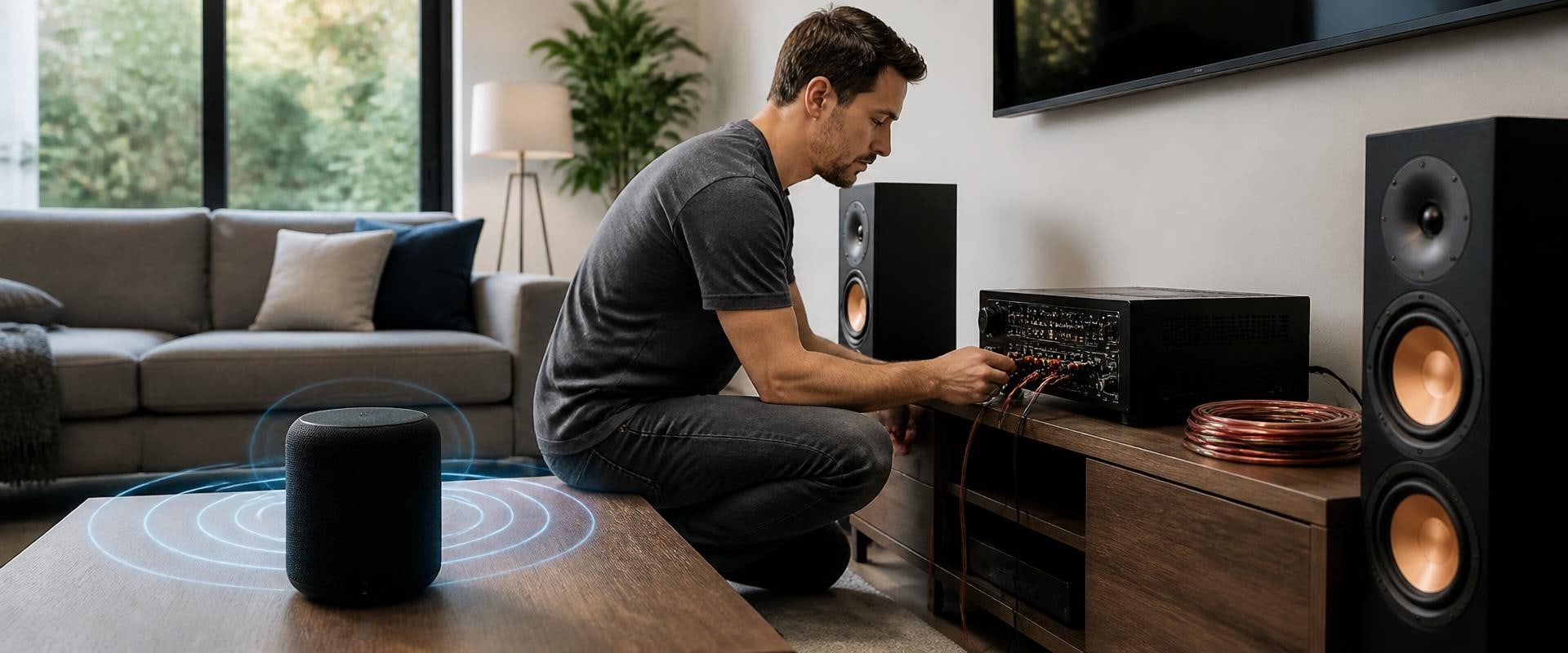
In today's fast-paced world, the significance of home audio installation cannot be overstated. Whether you're a casual listener or an audiophile, the right audio system can transform your everyday experiences into immersive soundscapes. With the rise of streaming services and high-definition audio formats, having a well-designed audio setup is essential for enjoying music, movies, and games to their fullest potential. When considering audio systems, one of the most critical decisions you'll face is whether to opt for a wired or wireless configuration. Each option comes with its own set of advantages and challenges that can significantly impact your listening experience.
Wired systems are often praised for their reliability and superior sound quality, while wireless systems offer unparalleled convenience and flexibility in placement. Understanding these differences is crucial for making an informed choice that aligns with your lifestyle and preferences. This article aims to delve into the nuances of home audio installation reviews, providing insights into how wired and wireless systems compare. By exploring user experiences and expert opinions, we will help you navigate the complexities of selecting the right audio setup for your home. Whether you're looking to create a dedicated home theater or simply enhance your everyday listening experience, understanding these key factors will empower you to make the best decision.
Overview of Wired Home Audio Systems
When considering a wired home audio system, it’s essential to understand its characteristics, benefits, and potential drawbacks.Wired systems typically involve connecting speakers directly to an audio source using cables, which can provide a more stable and reliable connection compared to their wireless counterparts.
Benefits of Wired Audio Systems
- Sound Quality: Wired systems often deliver superior sound quality due to the direct connection, minimizing interference and signal loss.
- Reliability: With no reliance on Wi-Fi or Bluetooth, wired systems are less susceptible to connectivity issues, ensuring consistent performance.
- Power Handling: Wired speakers can handle more power, allowing for higher volume levels without distortion.
- Customization: Many wired systems allow for extensive customization options, including the ability to add multiple speakers and components for a tailored audio experience.
- Installation Complexity: Setting up a wired system can be more complex and time-consuming, often requiring professional installation or DIY skills to run cables through walls or ceilings.
- Aesthetic Concerns: Visible wires can detract from the overall look of a room. Homeowners may need to invest in cable management solutions to maintain a clean appearance.
Overview of Wireless Home Audio Systems
Wireless home audio systems have gained immense popularity in recent years, offering a convenient and flexible alternative to traditional wired setups. These systems utilize Wi-Fi or Bluetooth technology to stream audio from various devices, eliminating the need for cumbersome cables and allowing for a cleaner aesthetic in your living space.Benefits of Wireless Audio Systems
- Flexibility: Wireless systems can be easily moved and repositioned without the hassle of re-routing cables.
This allows users to customize their audio setup according to their preferences and room layout.
- Ease of Installation: Setting up a wireless audio system is typically straightforward. Most systems come with user-friendly apps that guide you through the installation process, making it accessible even for those who are not tech-savvy.
- Multi-Room Capability: Many wireless audio systems support multi-room configurations, enabling users to play different music in different rooms or synchronize audio throughout the entire home.
- Integration with Smart Home Devices: Wireless systems often integrate seamlessly with smart home ecosystems, allowing users to control their audio experience through voice commands or mobile apps.
Limitations of Wireless Audio Systems
- Audio Quality: While many wireless systems offer impressive sound quality, some audiophiles argue that wired connections still provide superior fidelity, particularly for high-resolution audio formats.
- Connectivity Issues: Wireless systems can be susceptible to interference from other devices or obstacles within the home, which may lead to dropouts or reduced sound quality.
- Dependence on Wi-Fi: A reliable internet connection is crucial for optimal performance. In areas with weak Wi-Fi signals, users may experience disruptions in their audio streaming.
Comparative Analysis: Wired vs.
Wireless Systems When considering home audio installation reviews, a critical aspect is the comparison between wired and wireless audio systems. Each option has its unique advantages and disadvantages that can significantly impact your listening experience.
Sound Quality
In terms of sound quality, wired systems generally have the upper hand. They provide a stable connection that minimizes interference, resulting in clearer and more dynamic audio. On the other hand, while modern wireless systems have made significant strides in sound fidelity, they can still be susceptible to signal loss and compression artifacts, especially in environments with many competing signals.Installation Complexity
The installation process is another crucial factor.Wired systems often require more effort and time to set up due to the need for running cables through walls or ceilings. This can be a daunting task for those who are not technically inclined. Conversely, wireless systems offer a more straightforward installation process, allowing users to set up their audio systems quickly without the hassle of cables.
Cost Considerations
Cost is also a significant factor in the wired vs wireless audio comparison. Wired systems can be less expensive in terms of equipment costs, especially if you already have the necessary cabling.However, installation costs can add up if professional help is needed. Wireless systems may have higher upfront costs due to advanced technology but can save on installation expenses.
User Experience
User experience varies widely between the two types of systems. Wired setups often provide a more reliable connection, which is crucial for audiophiles who prioritize sound quality. In contrast, wireless systems offer flexibility and convenience, allowing users to place speakers anywhere without worrying about cable management. Ultimately, the choice between wired and wireless audio systems depends on individual preferences and priorities.By examining home audio installation reviews, potential buyers can make informed decisions that align with their specific needs and listening habits.
User Reviews and Experiences
When it comes to home audio installation reviews, user experiences play a crucial role in understanding the practical differences between wired and wireless systems. Many users have shared their insights, highlighting both the advantages and disadvantages of each setup.User Experiences with Wired Audio
Users who prefer wired audio systems often cite sound quality as a primary reason for their choice. One reviewer noted, "The clarity and depth of sound from my wired speakers are unmatched. I can hear nuances in my favorite tracks that I never noticed before." This sentiment is echoed by many audiophiles who appreciate the reliability of a wired connection, which is less susceptible to interference compared to wireless options. However, some users have expressed frustration with the installation process.A common complaint is the complexity of running cables through walls or around furniture. One user mentioned, "I love the sound quality, but setting everything up was a hassle. I had to hire a professional to get it right." This highlights that while wired systems may offer superior audio performance, they can also require more effort and planning.
User Experiences with Wireless Audio
On the other hand, many users are drawn to wired audio systems for their convenience and flexibility. A user shared, "I love being able to move my speakers around without worrying about cables.It makes rearranging my living room so much easier!" Wireless systems often come equipped with features like Bluetooth and Wi-Fi connectivity, allowing for seamless streaming from various devices. Despite these advantages, some users have reported issues with connectivity. One reviewer stated, "I occasionally experience dropouts during playback, which can be frustrating during a party." This indicates that while wireless systems offer convenience, they may not always provide the consistent performance that some users desire. In summary, home audio installation reviews reveal a diverse range of user experiences. Wired systems are often praised for their superior sound quality but criticized for installation challenges. Conversely, wireless systems are celebrated for their ease of use but may face reliability issues.
Potential buyers should weigh these factors carefully based on their specific needs and preferences.
FAQs About Home Audio Installation
When considering home audio installation, many potential users have questions about both wired and wireless systems. Here are some frequently asked questions that can help clarify common concerns.What are the main differences between wired and wireless audio systems?
Wired systems typically offer superior sound quality and reliability, as they are less susceptible to interference. However, they require more installation effort, including running cables through walls or ceilings. On the other hand, wireless systems provide flexibility and ease of installation, allowing users to place speakers anywhere without the hassle of wires.The trade-off often comes in the form of potential latency issues or reduced sound quality.
Are wireless audio systems easy to troubleshoot?
While wired systems can sometimes be easier to troubleshoot due to their straightforward connections, wireless systems may present unique challenges. Common issues include connectivity problems, interference from other devices, or software glitches. To troubleshoot a wireless system:- Check your Wi-Fi connection and ensure it is stable.
- Restart your audio devices and router.
- Update any firmware or software associated with your audio system.
What should I consider when reading home audio installation reviews?
When evaluating home audio installation reviews, pay attention to:- The sound quality reported by users.
- The ease of installation and setup process.
- The reliability of the system over time.
- The customer support experience from the manufacturer.
Conclusion: Making the Right Choice for Your Home Audio Needs
In conclusion, choosing between wired and wireless audio systems for your home can significantly impact your overall listening experience. Each option has its own set of advantages and disadvantages, which should be carefully considered based on your specific needs and preferences.Summary of Key Points
- Wired systems typically offer superior sound quality and reliability, making them ideal for audiophiles who prioritize performance.
- Wireless systems, on the other hand, provide unmatched convenience and flexibility, allowing for easy setup and mobility within your home.
- Cost considerations are also crucial; while wired systems may have higher upfront costs due to equipment and installation, wireless options can incur ongoing expenses related to connectivity and potential upgrades.
Final Thoughts
Ultimately, the decision should align with your lifestyle and audio preferences.If you value high fidelity and have a dedicated space for your audio setup, a wired system may be the best choice. Conversely, if you seek flexibility and ease of use, a wireless system could enhance your home audio experience. Before making a final decision, consider reading comprehensive home audio installation reviews that compare various models within both categories. This will provide insights into real-world performance and user satisfaction, helping you make an informed choice that suits your unique audio needs.