Evaluating Installation Complexity in Home Audio Installation Reviews
Discover how home audio installation reviews assess complexity, guiding consumers in choosing the right audio systems for their needs.
When considering a home audio installation review, it's essential to grasp the intricacies involved in setting up an audio system. These reviews serve as a valuable resource for consumers, offering insights into the various aspects of installation complexity that can significantly impact the overall experience. From understanding the technical requirements to evaluating the ease of setup, these reviews help demystify what can often seem like a daunting task. One of the primary focuses of a comprehensive audio system installation review is to assess how user-friendly the installation process is. This includes examining the clarity of instructions provided, the quality of customer support, and the availability of necessary tools and components.
Reviews often highlight whether the installation can be completed by an average consumer or if professional assistance is recommended, thus guiding potential buyers in making informed decisions. Moreover, installation complexity can vary widely depending on the type of audio system being set up. For instance, a simple stereo system may require minimal effort, while a multi-room setup with advanced features could involve intricate wiring and configuration. By evaluating these factors, home audio installation reviews not only inform consumers about what to expect but also empower them to choose systems that align with their technical comfort level and lifestyle needs.
Key Factors Influencing Installation Complexity
When evaluating home audio installation reviews, several key factors influence the complexity of the installation process. Understanding these factors can help potential buyers gauge what to expect and how to prepare for their own setups.- Room Size and Acoustics: The dimensions and shape of the room play a crucial role in installation complexity.
Larger rooms may require more speakers or advanced configurations to achieve optimal sound quality, while irregularly shaped rooms can present unique acoustic challenges that complicate setup.
- Equipment Type: The variety of audio equipment available can significantly affect installation complexity. Systems that include multiple components, such as receivers, subwoofers, and surround sound speakers, often require more intricate wiring and configuration compared to simpler setups. Additionally, high-end systems may have specific installation requirements that necessitate professional assistance.
- User Expertise: The skill level of the individual performing the installation is another critical factor. Experienced users may find it easier to navigate complex setups, while novices might struggle with technical aspects such as wiring, calibration, and integration with existing home systems.
Reviews often highlight whether a system is user-friendly or if it demands a higher level of technical knowledge.
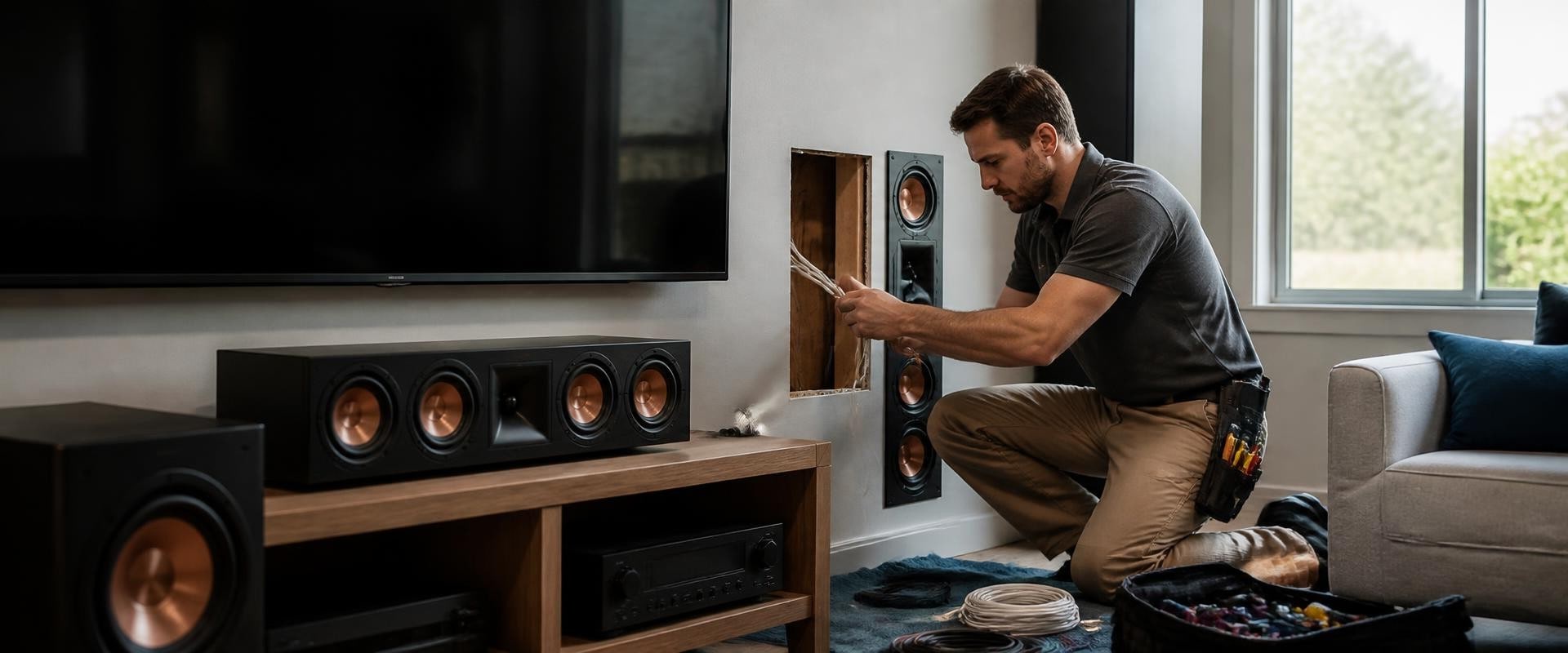
- Wiring and Connectivity: The need for extensive wiring can add to the complexity of an installation. In-wall wiring, for instance, requires careful planning and execution to avoid damage to walls and ensure optimal performance. Wireless systems may simplify this aspect but can introduce challenges related to signal strength and interference.
Types of Home Audio Systems and Their Installation Requirements
When evaluating home audio installation reviews, understanding the different types of home audio systems and their respective installation requirements is crucial.Each system comes with its own set of complexities that can significantly impact the overall installation experience.
Types of Home Audio Systems
- Stereo Systems: These are the most basic setups, typically consisting of two speakers and a receiver. Installation is relatively straightforward, often requiring just speaker wire connections and placement considerations for optimal sound.
- Surround Sound Systems: These systems usually involve multiple speakers (5.1 or 7.1 configurations) and a subwoofer. The installation complexity increases as it requires careful placement of speakers around the room to create an immersive audio experience. This may involve running wires through walls or ceilings, which can be challenging for DIY enthusiasts.
- Wireless Audio Systems: While these systems eliminate the need for extensive wiring, they come with their own challenges, such as ensuring a strong Wi-Fi signal and proper configuration of devices.
Reviews often highlight the ease of setup but may also point out potential connectivity issues.
- Multi-Room Audio Systems: These setups allow users to play music in multiple rooms simultaneously. Installation can be complex, requiring a central hub and possibly professional assistance to ensure seamless integration across different zones.
Installation Requirements
The installation requirements vary significantly based on the type of system chosen. For instance:- Stereo systems generally require minimal tools and can often be set up in under an hour.
- Surround sound systems may necessitate additional tools for wall mounting and cable management, potentially extending installation time to several hours.
- Wireless systems might require software setup and troubleshooting, which can be daunting for less tech-savvy users.
Common Installation Challenges Highlighted in Reviews
When it comes to home audio installation reviews, many users share their experiences regarding the installation challenges they faced.Understanding these common issues can help prospective buyers prepare for their own setups and troubleshoot effectively.
- Wiring Difficulties: One of the most frequently mentioned challenges is dealing with wiring. Many reviewers note that running cables through walls or ceilings can be cumbersome, especially in older homes where existing structures may complicate the process.
- Compatibility Issues: Another common concern is ensuring that all components are compatible. Users often report frustration when their new audio equipment does not seamlessly integrate with existing systems, leading to additional troubleshooting.
- Placement Problems: Proper speaker placement is crucial for optimal sound quality, yet many reviews highlight difficulties in finding the right spots. Users frequently mention trial and error in positioning speakers to achieve the best acoustics.
- Calibration Challenges: Many installations require calibration to optimize sound performance.
Reviewers often express confusion over complex settings and adjustments needed to fine-tune their systems, which can be daunting for those less tech-savvy.
Expert Opinions on Evaluating Installation Complexity
When it comes to home audio installation reviews, expert opinions play a crucial role in assessing the complexity of the installation process. Professionals in the audio installation industry often emphasize several key criteria that help determine how challenging an installation may be.Key Evaluation Criteria
- System Compatibility: Experts assess whether the components of the audio system are compatible with existing home infrastructure. This includes evaluating the compatibility of speakers, receivers, and other devices with the home’s wiring and layout.
- Room Acoustics: The acoustics of a room can significantly impact installation complexity.
Professionals consider factors such as room size, shape, and materials used in construction, which can affect sound quality and speaker placement.
- Wiring Requirements: Installation complexity often increases with the need for extensive wiring. Experts evaluate whether the installation requires running new wires through walls or ceilings, which can be labor-intensive and require specialized skills.
- Mounting Options: The choice between wall-mounted or freestanding speakers can influence installation difficulty. Professional installers often provide insights on the best mounting options based on aesthetics and sound performance.
- User Experience: Reviews frequently highlight how user-friendly the installation process is. Experts consider whether the system can be set up by an average homeowner or if it necessitates professional assistance.
For instance, they may point out that inadequate planning or lack of knowledge about specific equipment can lead to frustrating experiences for homeowners. Ultimately, expert evaluations in home audio installation reviews provide valuable guidance for consumers looking to understand the intricacies of setting up their audio systems. By focusing on these critical factors, potential buyers can make informed decisions and choose systems that align with their technical capabilities and home environments.
User Experiences: Real-Life Installation Reviews
User experiences play a crucial role in understanding the installation complexity of home audio systems. Many reviews highlight how individual circumstances can significantly influence the perceived difficulty of installation. For instance, one user shared their experience with a multi-room audio system. They noted that while the initial setup seemed daunting due to the number of components involved, the detailed instructions provided by the manufacturer made the process manageable.This user emphasized that having a basic understanding of home networking helped them navigate the installation with ease. Conversely, another reviewer expressed frustration with a different system, citing unclear instructions and a lack of support from customer service. This user struggled with connecting various speakers and ultimately required professional assistance, which added to their overall costs. Their feedback underscores how customer support can impact the installation experience. Additionally, some users reported that their previous experience with DIY projects made them more confident in tackling home audio installations. A user who had successfully installed a soundbar and subwoofer shared tips on using online forums and video tutorials to enhance their understanding, suggesting that community resources can alleviate some of the complexities involved. In summary, real-life reviews reveal that installation complexity is often subjective and influenced by factors such as prior knowledge, quality of instructions, and available support.
These insights can guide potential buyers in selecting systems that align with their skill levels and expectations.
Tips for Simplifying Home Audio Installations
When it comes to home audio installation, simplifying the setup process can make a significant difference in both time and enjoyment. Here are some practical tips to help you streamline your audio installation:- Plan Your Layout: Before diving into installation, take the time to plan where each component will go. Consider the placement of speakers, receivers, and any other equipment. This foresight can prevent unnecessary adjustments later on.
- Use Wireless Technology: Opt for wireless speakers and systems whenever possible.
This reduces the need for extensive wiring and can simplify the overall setup.
- Follow Manufacturer Instructions: Always refer to the user manuals provided by manufacturers. These guides often contain valuable insights specific to your equipment that can simplify the installation process.
- Invest in Quality Cables: Using high-quality cables can minimize connection issues and reduce troubleshooting time. Look for cables that are compatible with your system to ensure optimal performance.
- Utilize Online Resources: Many brands offer video tutorials or online forums where users share their experiences. These resources can provide step-by-step guidance and troubleshooting tips that are invaluable during installation.
- Consider Professional Help: If the installation seems overwhelming, don’t hesitate to hire a professional.
Many reviews highlight that investing in expert installation can save time and ensure everything is set up correctly.
Conclusion: The Importance of Understanding Installation Complexity in Home Audio Systems
In conclusion, understanding the installation complexity of home audio systems is crucial for making informed decisions. As we have explored, the home audio installation review process often highlights various factors that contribute to the overall complexity of setting up a system. These factors can significantly impact user experience and satisfaction. One of the primary takeaways is that installation complexity can vary widely based on the type of system chosen.For instance, a simple stereo setup may require minimal effort, while a multi-room audio system could involve intricate wiring and configuration. Therefore, potential buyers should carefully consider their own technical skills and willingness to engage in DIY projects. Moreover, reviews often emphasize the importance of professional installation services. Many users find that hiring an expert not only alleviates stress but also ensures optimal performance of their audio systems. This is particularly relevant for complex setups that involve multiple components and advanced technologies.
- Key Considerations:
- Assess your own technical abilities before purchasing.
- Read reviews to gauge the experiences of others with similar installations.
- Consider professional installation for complex systems.
By prioritizing this aspect during the decision-making process, consumers can avoid common pitfalls and ensure a seamless integration of their home audio systems into their living spaces.